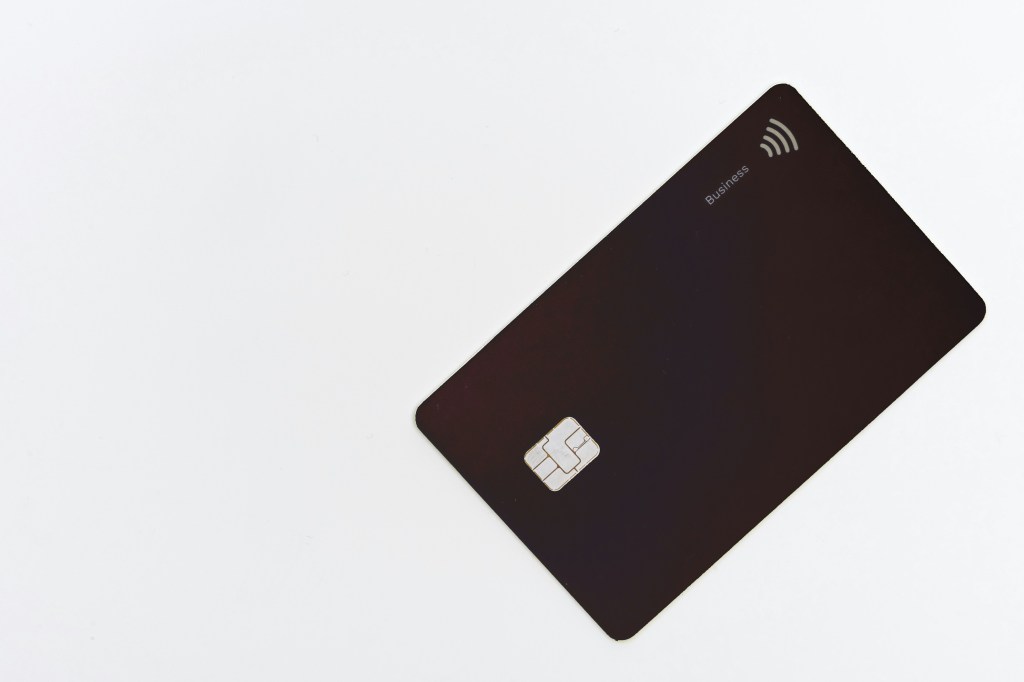
A few days ago, there was a significant development in the payment world that would potentially change everything in the years to come. After more than 20 years of litigation, the legal dispute between merchants and the payment networks (Visa and Mastercard) is finally about to see an end. A federal judge gave a preliminary approval on the proposed settlement. If there is no major surprise, we will likely have an official approval before the end of the year. Here are the key terms of the settlement:
Lower interchange rates
The networks agree to lower the ecosystem’s interchange rate by AT LEAST 10 basis points in the next five years. The interchange rates on the standard Visa or Mastercard cards will be capped at 1.25% for at least eight years. As a result, the gap between standard and premium cards will widen from 45 basis points to 100 basis points. Merchants with customized agreements (big merchants such as Costco, Walmart or Amazon) will receive reductions in interchange rates proportional to the 10-point reduction that we will see across the system.
No more “Honor All Cards”
Under the agreed settlement, merchants can decline commercial or premium consumer cards with high interchange rates. Such acceptance practices must be communicated at least 30 days in advance to the networks and must be visible to consumers at point of sale. The networks must ensure that commercial and premium labels are visibly identifiable.
Surcharge is now possible
In addition, merchants can choose to impose surcharges on either brand (Visa or Mastercard) or product (Visa Signature, Visa Infinite, Mastercard World, Mastercard World Elite) level. Surcharges must not exceed 3% of a transaction’s amount.
Visa and Mastercard are barred from targeting merchants on an individual basis that opt to surcharge. What they can do, though, is to impose higher interchange rates on merchants WITHIN A SEGMENT that choose to surcharge, provided that the standard interchange rate cap is honored.
No more “Honor All Wallets”
Similar to the repeal of the “Honor All Cards” requirement, merchants are free to accept or decline any digital wallet, regardless of what cards are inside.
More pilot testing for merchants
Merchants are allowed to run tests up to 180 days to see how accepting or declining cards, and/or surcharging will affect their business.
Discounting is permitted
Merchants can now offer discounts on brand, issuer or product.
My thoughts
The settlement seems like a win-win-win. Visa and Mastercard no longer have this uncertainty hanging over their heads after 21 long years of dispute. Merchants will receive reduced interchange rates and much more freedom to make decisions. Large merchants will also have pro rata reduction in interchange rates.
Will we see high-end cards rejected at point of sale? It’s unlikely that we’ll see merchants with decent margins such as restaurants decline premium cards. These cardholders are high spenders and this is not a margin question, it’s a “whether I should piss off these customers” question. Instead, we will see discounts for standard cards as a way to nudge customers to use those cards and not to alienate premium cardholders. Gas stations and grocery stores which have thin margins may be a bit more aggressive, but again I don’t think total rejection of premium cards will happen.
When premium cardholders see they are the ones without a discount, they will feel hard done by. The injustice of simply holding a card that they can afford to. So they will want something in return and to be taken care of by their issuer. Hence, I expect that credit card issuers, especially the likes of Citi, Chase, CapitalOne or Bank of America, will contiue to add more benefits and make sure that their premium cardholders are happy.
The settlement includes no direct restriction on the interchange rates of premium cards. Therefore, premium cards’ issuers should have wiggle room to ensure the competitiveness of their products. However, somebody will have to pay for the increase in rewards and benefit expenses, especially in the co-brand space. I expect that if an issuer is giving away all interchange revenue to its co-brand partner as rebate, the contract will be re-negotiated to make sure that the program’s economics will work for all parties.
What if issuers just have premium cards and no standard ones? Since the agreement mandates a drop of at least 10 basis points in average interchange rates across the system, it’s just not possible to have only premium cards in circulation.
I suspect that there will be little change to the distribution of standard and premium cards as percentages of all cards. Visa and Mastercard will comply with the cap on standard cards and monitor to see if they will need to take appropriate actions. They do not want to cut back too much on premium cards as their holders tend to be high spenders and both networks always want as much transaction volume through their respective network as possible.
Who will suffer the most from this settlement? In my opinion, it will be small or medium-sized credit card issuers. These issuers don’t have the capital to invest in the premium market, nor do they have the scale to compete. Bigger issuers will leverage the infrastructure for the top end cards (travel portals, customer service) to support the middle-market cards as well. That leaves only the standard cards and unfortunately, these cards will have their interchange rates severely capped.
Smaller issuers will rely even more on revolvers for revenue and profit. But a portfolio needs to have both revolvers and transactors to balance risk and profitability. Too many revolvers may bring in high interest income, but also high losses. Plus, Capital One is a formidable player in the sub and near prime, thin-file or low-and-grow space. The available market will shrink for the small and medium-sized issuers. And in business, scale matters a lot.
A word on digital wallets. Merchants will be able to pick and choose digital wallets to accept and decline. I’d be shocked if merchants did not accept Apple Pay. Hence, issuers with a low penentration rate on Apple Pay should look into how to get cards in the wallet.

 Minh Quang Duong
Leave a comment