One of my favorite strategy frameworks is VRIO. VRIO is a framework used in business analysis to see if a company’s capability is Valuable, Rare, Imitable and Organized. If a capability is not valuable to the target audience, it’s not worth considering. If a capability is valuable, but very common, then it’s commoditized. The ability to cook and offer food by any restaurant is an example of that. Valuable, but not rare, and hence, the restaurant industry is easy to enter, but difficult to differentiate.
If a capability is valuable and rare, is it easy for others to copy? And if such a capability is so unique that noone can copy, is it organized enough to be utilized?
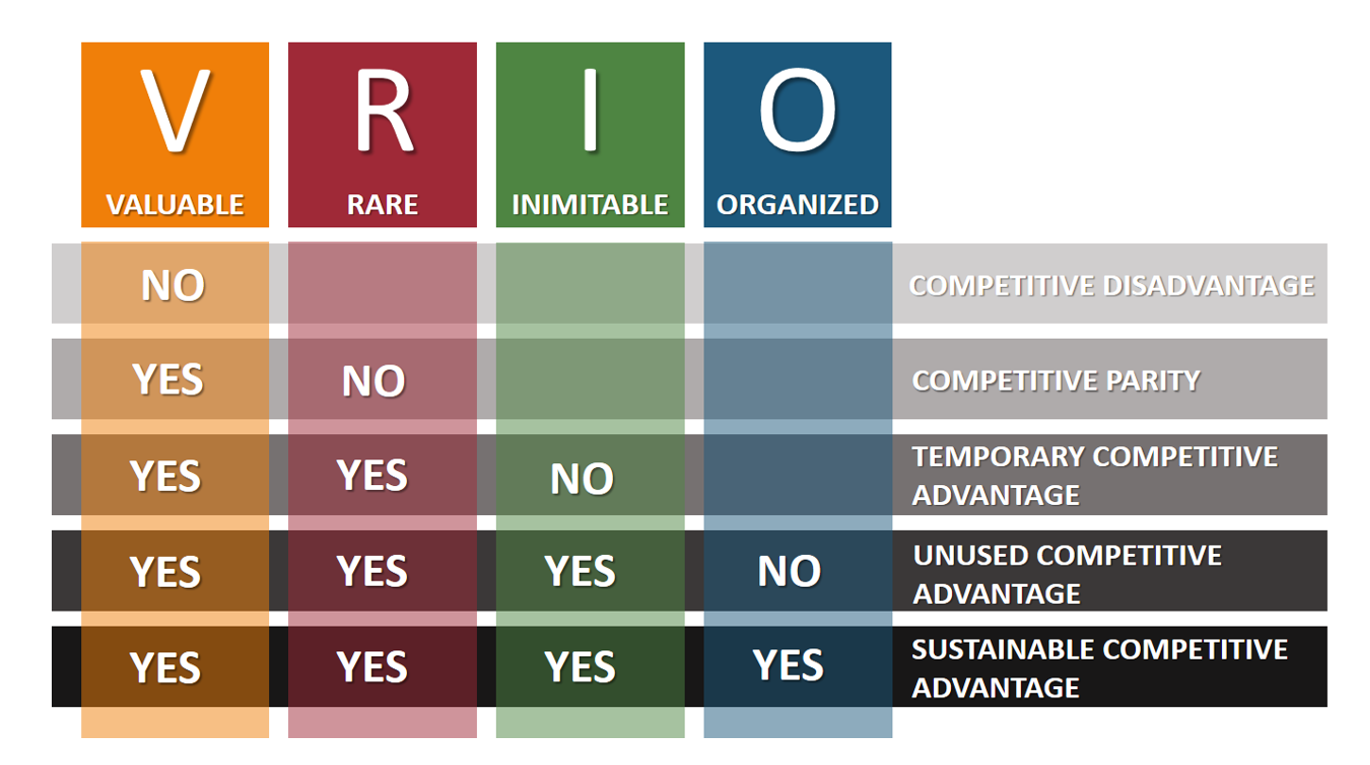
Let’s go over some examples. Apple’s capability to achieve vertical integration of chip, software and hardware is the best in the world and so organized that it helps the company build a monstrous and lucrative ecosystem that millions of customers love. Nobody can come close. Google has Android and designs SOME chips, but they don’t have the hardware. Amazon is not good hardware or software. Samsung doesn’t own an operating system and its hardware is hits and miss.
TSMC is THE chip factory in the world. It doesn’t design chips. It helps manufacture the most advanced chips in the world at scale. It costs billions of dollars to stand up a fab and secure the necessary equipment. It also requires the technical know-how. The fact that TSMC is responsible for more than half of the chips speaks volume about how well they leverage such a unique capability.
Visa and Mastercard are the two biggest payment networks in the world. Their logos are trusted by consumers who know that the cards will be accepted almost everywhere and purchases come with protections. The networks manage to build a multi-sided network that includes consumers, merchants and financial institutions GLOBALLY. It’s something that even Amex cannot do yet and that Capital One is trying to achieve with Discover.
An example of a unique capability that is not organized to deliver value. When Steve Jobs came back to run Apple, he found that the Industrial Design team led by Jony Ive was insanely talented. Yet, the company was just days away from disaster. Only after Jobs focused on products, streamlined the product suite and elevated the Industrial Design team did that team start to deliver value and transform the company.
I find VRIO an effective framework to see if a company actually has any competitive advantage. All the best companies in the world have multiple competitive advantages that survive the VRIO test. And if a company doesn’t have any competitive advantage, chances are that they won’t have a bright future or at the very least, not what it takes to be market-leading.


Leave a Reply